
The Ivanti report, State of Cybersecurity: Bridging the Divide, reveals that adopting agentic AI is a top priority for 87% of security teams, marking a significant shift in how organisations approach cybersecurity.
As threats evolve, particularly with the rise of sophisticated AI-driven attacks, cybersecurity professionals are increasingly confident in allowing AI systems to operate autonomously, with 77% expressing comfort in doing so.
The report identifies a growing recognition that AI can empower defenders, with professionals being 2.4 times more likely to believe that defenders use AI as effectively—or more effectively—than attackers. This confidence is expected to rise even further to 5.5 times within the next two years.
However, while the appetite for AI investment is strong, organisations are not maximising its potential. Although 92% of respondents acknowledge that automation reduces mean time to respond to incidents, fewer than half consistently apply AI for critical security tasks: only 44% for incident response and 42% for vulnerability remediation. This operational gap signals a need for stronger integration of AI technologies into everyday practices.
For CISOs in Asia, the implications are significant. The region has witnessed a surge in digital transformation, but this has also expanded the attack surface for cyber threats. The findings suggest a pressing need for organisations to align their AI strategies with business objectives and to establish clear metrics that demonstrate the value of AI investments.
The report also highlights a persistent disconnect between IT and security teams—48% of security professionals believe IT departments do not respond adequately to security concerns. This lack of cooperation can hinder effective exposure management, as both teams must work collaboratively to connect technical exposure to business risk.
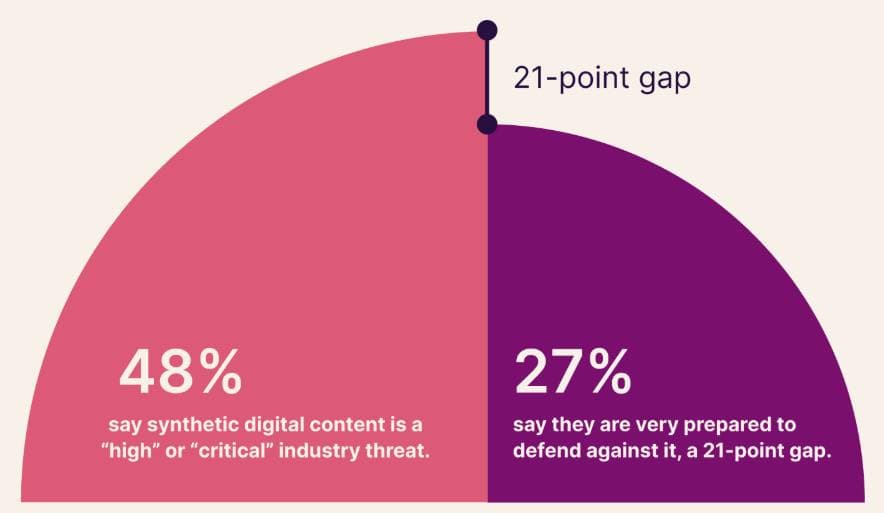
Source: Bridge the Divide, Ivanti 2026
Ivanti chief security officer, Daniel Spicer, noted the challenge of the “Cybersecurity Readiness Deficit,” where organisations are struggling to defend against complex threats while experiencing the pressures of rapid technological advancement.
He emphasised the need for organisations to reassess their operational strategies, particularly in light of new risks such as deepfake attacks, which have targeted 77% of organisations polled.
As Asia continues to evolve as a digital hub, the pressure is on to ensure that AI systems not only enhance security measures but do so transparently and strategically.