
The latest Barracuda Networks Barracuda Managed XDR Global Threat Report reveals that a staggering 90% of ransomware incidents in 2025 exploited firewalls, predominantly through unpatched software or compromised accounts.
This statistic serves as a sobering reminder to CISOs in the region, as they face increasing pressure to secure infrastructure amidst a rapidly evolving threat landscape.
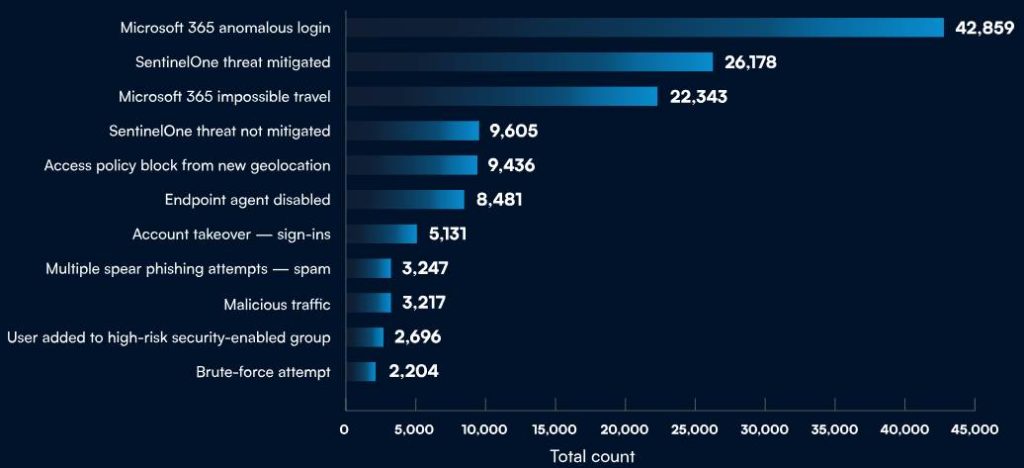
The report also reveals that the fastest recorded ransomware attack took merely three hours from initial breach to encryption. Given the complex and varied network environments across Asia, this rapid timeline illustrates just how crucial immediate detection and response are to mitigating potential damage.
Moreover, the analysis indicates that one in ten detected vulnerabilities had a known exploit associated with it. Most alarmingly, the most commonly detected vulnerability dates back to 2013, specifically CVE-2013-2566, which affects outdated encryption algorithms found in legacy systems. This highlights the need for organisations to prioritise updating and patching their systems continually.
The rising threat of ransomware is further compounded by the increasing involvement of the supply chain, with 66% of incidents attributed to third-party vulnerabilities. The report notes this figure is up from 45% in 2024, emphasising the need for CISOs to scrutinise third-party software and integrations meticulously.

Merium Khalid, director of SOC offensive security at Barracuda, stated that the challenge for organisations, particularly those with limited resources, is immense. She emphasised that often overlooked vulnerabilities—such as misconfigured security features or dormant applications—can serve as entry points for attackers.
For Asian organisations, this report underscores the urgency of adopting integrated, AI-powered security solutions that can autonomously manage and support complex environments. As cyber threats continue to evolve, the imperative for continuous monitoring and proactive incident response has never been clearer.
As the data starkly demonstrates, identity breaches, third-party risks, and outdated software present significant vulnerabilities, making it essential for security teams to adapt their strategies and tools effectively.